The short answer
September 4–7, 2026 stacks the US Open’s middle weekend in New York, college football’s two loudest openers (Clemson–LSU in Baton Rouge, Notre Dame–Wisconsin at Lambeau), and MLB pennant races on one holiday weekend. The small markets, Green Bay and Baton Rouge, spike hardest and lock first. With the weekend nine days out, they are past the window where you get to be picky. The big cities still have room to work. Here is where each one actually stands today.
One weekend, three sports, five hotel markets
Labor Day weekend is always a travel peak. In 2026 the sports calendar decided to pile on: a Grand Slam mid-tournament, a college football opening slate with two genuinely historic games, and baseball’s September stretch run, all between Friday, September 4 and Monday, September 7. The trick to reading it is that the event doesn’t set the hotel price. The ratio of event to market does. Here’s each collision, ranked by how hard the market squeezes.
Green Bay: the worst rooms-to-demand ratio of the weekend
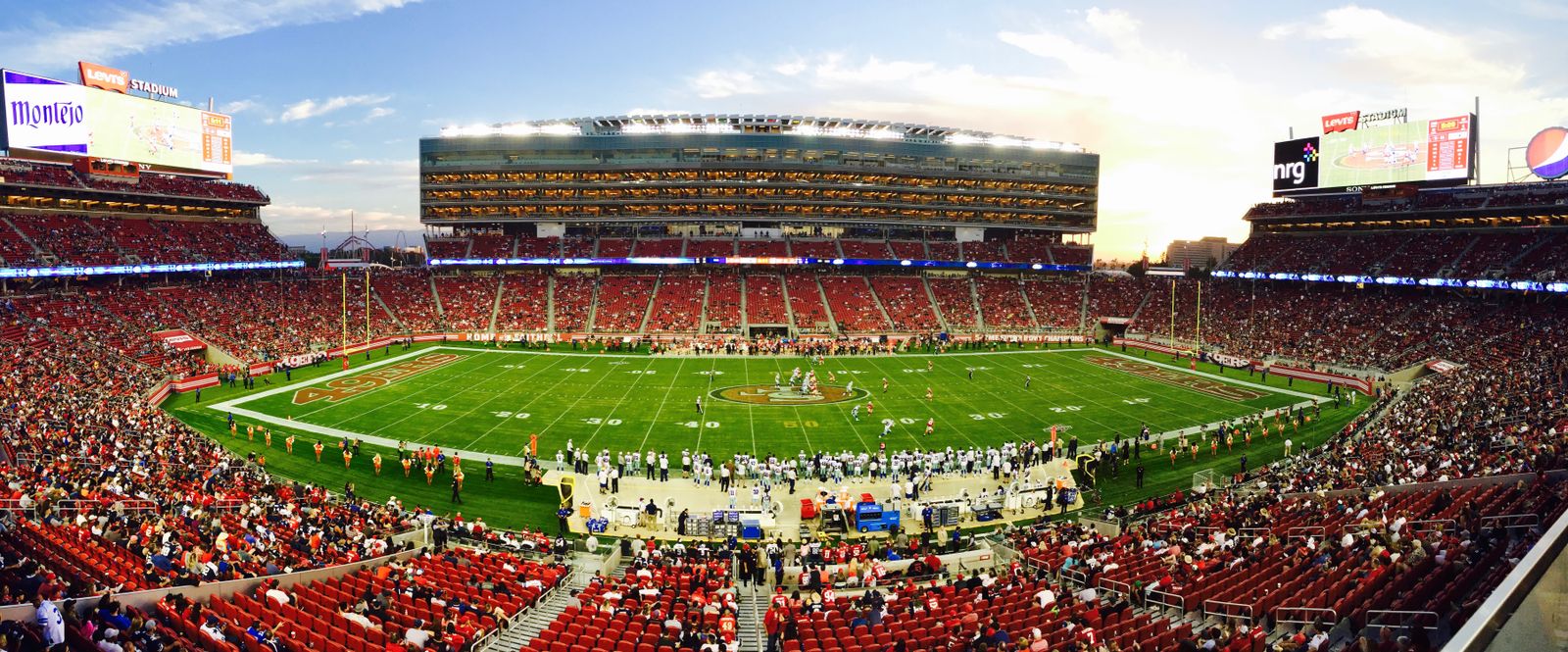
Notre Dame vs. Wisconsin, Lambeau Field, Sunday, September 6, 6:30 p.m. CT on NBC. This is a Shamrock Series home game for the Irish and only the third college football game in Lambeau’s history, after St. Norbert–Fordham in 1983 and Wisconsin–LSU in 2016. Two national fan bases, one bucket-list stadium, and the NFL’s smallest market. Green Bay hotel rooms near Lambeau sell out months ahead at premium prices, usually with two-night minimums, on an ordinary Packers weekend. This is not an ordinary Packers weekend.
The playbook is the Packers playbook, which our Lambeau Field guide lays out in full. Titletown and the Ashwaubenon strip are walk-to-the-gates and long gone. Downtown Green Bay is four miles out with a modest cluster. The honest answer is Appleton, 30 minutes south on I-41, with a deep bench of mid-range hotels at a fraction of stadium-area rates, and Oshkosh, Manitowoc, and even Milwaukee (two hours) behind it. One quirk in your favor: the Sunday-of-a-holiday-weekend kickoff means Monday is a built-in drive-home day. Book the Fox Valley now. This game has been on the calendar since it was rescheduled from 2020, and both fan bases know it.
Baton Rouge: a mid-size city meets its biggest opener in years
Clemson at LSU, Tiger Stadium, Saturday, September 5, 7:30 p.m. ET on ABC. Lane Kiffin’s first game as LSU’s head coach. Clemson’s first-ever visit to the Baton Rouge Death Valley. A top-shelf season opener with playoff stakes in the expanded-CFP era. Baton Rouge enforces two-night minimums for big night games and effectively sells the city out for weekends like this; our Tiger Stadium guide flags this exact date as one of 2026’s three crusher weekends, alongside Alabama and Texas.
If downtown Baton Rouge and the Nicholson corridor are gone by the time you read this (plausible), the standard overflow play is New Orleans, about 80 minutes up I-10: vastly deeper hotel supply, better Sunday, better airport (MSY). The caveats are real. I-10 westbound stacks up on game-day afternoons, and a Death Valley night game puts you back in New Orleans around 2 a.m. Half the LSU alumni base considers that a feature.
New York: the city absorbs, but one train station doesn’t
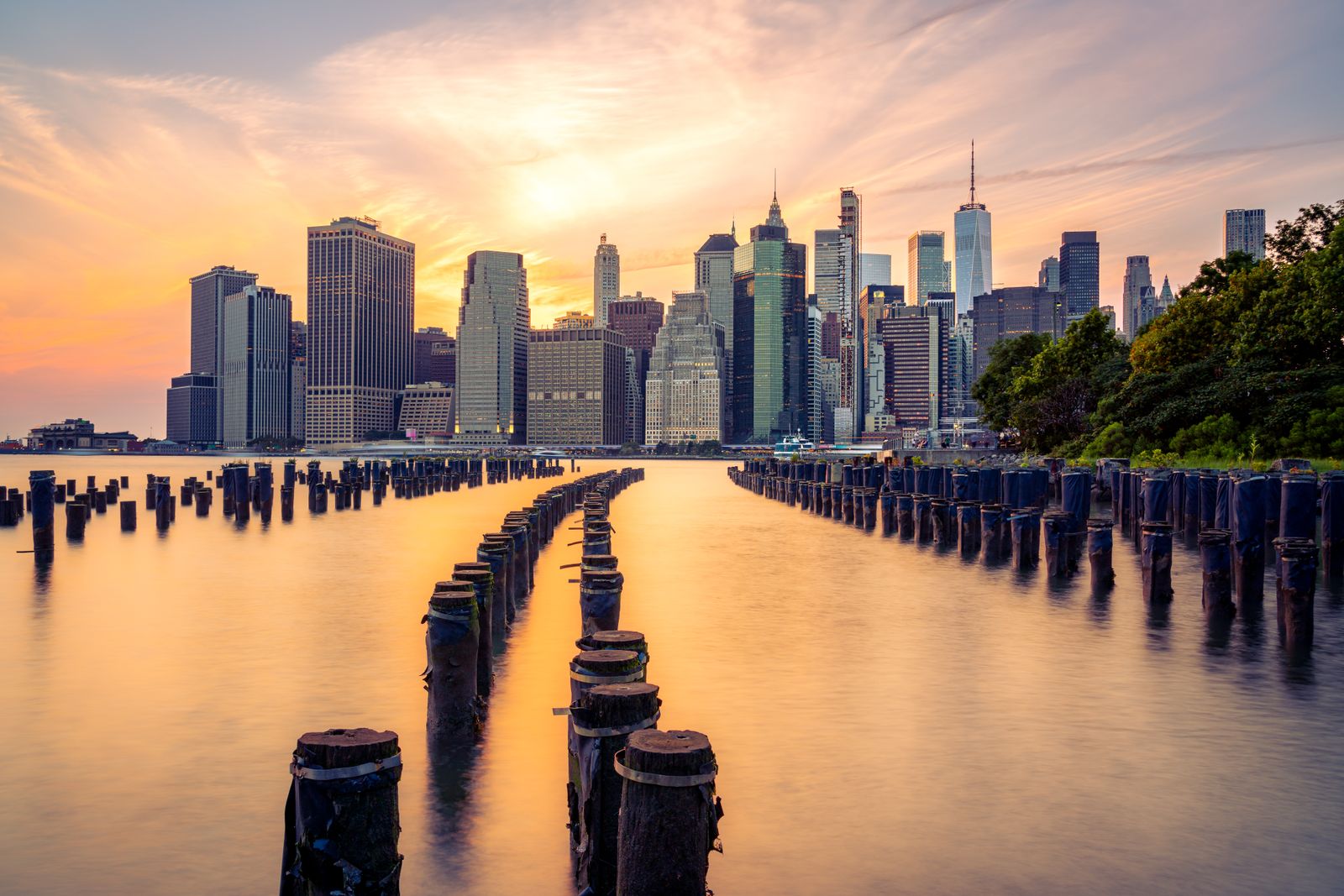
The US Open hits its middle weekend September 5–7, the mid-tournament peak. Holiday crowds plus round-of-16-caliber tennis, with finals weekend still a week off (women’s final September 12, men’s September 13). New York’s enormous room base bends rather than breaks, so this stays the most bookable collision on the list even this late. The nuance is neighborhood-level. Queens inventory near the grounds is small and goes first; Manhattan holds out longest. The full Queens-vs-Manhattan math (LIRR times, the all-night 7 train, which fan should sleep where) is in our US Open hotel breakdown and the event guide.
Here’s the 2026-specific wrinkle worth planning around. The Mets host the Giants at Citi Field September 4–6, the exact middle weekend, and Citi Field sits across the boardwalk from the tennis center. Both crowds funnel through the same Mets–Willets Point station on the 7 train and LIRR. A Saturday with a day session, a night session, and a Mets–Giants game is a genuine crush at one subway platform. Pad your arrival, lean LIRR over the 7 at peak, and if you’re picking between identical hotels, pick the one that doesn’t require that station transfer at 7 p.m.
Atlanta: the target, not the trap
Baylor vs. Auburn, Saturday, September 5, 3:30 p.m. ET on ABC, in Atlanta. A neutral-site kickoff game in one of America’s deepest hotel markets is the opposite of Green Bay: tens of thousands of downtown rooms, an airport hub with cheap lift, and an afternoon kickoff that doesn’t force a second night. If you want big-game atmosphere on this weekend without fighting a scarcity market, this is the one to target. (Louisville and Ole Miss also meet in Sunday-night primetime on ESPN, another marquee data point in what’s shaping up as the strongest opening weekend in years.)
Baseball: the quiet layer underneath
MLB’s pennant races run right through the weekend, and September series in contender cities price above baseline without ever spiking like football. A Saturday game alone rarely moves a big-league city’s hotel market. The exception is stacking, which is exactly the Citi Field case above. If you’re building a Labor Day baseball trip around a contender (the races we mapped in our MLB postseason booking playbook still apply), check what else your target city is hosting that weekend before you assume baseball-only pricing.
The booking cutoffs, in order
This list was written in late July as a countdown. The weekend is now nine days out, so here is the same scarcity ladder re-read from where you’re actually standing:
- Green Bay/Appleton and Baton Rouge/New Orleans: you’re late, work outward. These were the first two markets to tighten and the stadium-area inventory went months ago. The move now is distance: Appleton 30 minutes south on I-41, then Oshkosh, Manitowoc, and Milwaukee two hours out; for Clemson–LSU, New Orleans is 80 miles down I-10. Read the minimum-stay terms before you celebrate a rate. Two-night minimums are standard in both markets on marquee weekends, and this is the weekend they exist for.
- Queens: effectively closed for walk-up planning. The smallest hotel market at the US Open is the one closest to the court, and it prices accordingly on the middle weekend. If you’re not already booked here, treat Long Island City or the LaGuardia strip as the real options and plan around the 7 train.
- Manhattan, Atlanta, and any MLB city: still genuinely workable. These are deep markets absorbing one event among many. Book refundable today and keep re-shopping: as other travelers’ plans collapse inside the cancellation window, inventory comes back, and in a market this size it comes back at a real discount rather than a token one.
- The week of (September 1 onward): you take what’s left, and it’s a holiday weekend on top of everything else. Everyone else’s travel compresses into the same three days whether they care about sports or not.
One rule spans all five markets: refundable everything, cutoff dates in your calendar the day you book. On a weekend this crowded, flexibility isn’t a premium. It’s the whole strategy.