Skip the “stay near the stadium” instinct. The US Open’s real hotel map is a train line. Downtown Flushing puts you one stop from the gates at Queens prices, Long Island City splits the difference, and Manhattan, about 20 minutes away on the LIRR, is closer than it looks. Day-session fans save in Queens. Night-session fans should think hard about the ride home after midnight.
The 2026 tournament runs August 23 to September 13 at the USTA Billie Jean King National Tennis Center in Flushing Meadows Corona Park, Queens, and it’s down to the last five days. The quarterfinals close today, Wednesday September 9; the women’s semifinals are Thursday the 10th, the men’s Friday the 11th, and the finals land Saturday, September 12 (women) and Sunday, September 13 (men). Two things changed in the last 24 hours and both change what you book. Purchased grounds passes stopped selling with Tuesday’s session, so every ticket from here is a reserved Arthur Ashe seat. And tonight is the last cheap hotel night of the tournament: Fashion Week takes Midtown from tomorrow morning. Five days of tennis left, three very different hotel markets. Here’s the math.
The 20-minute secret that changes the whole decision
Every first-timer assumes Manhattan means a long haul to the tennis. It doesn’t. The LIRR Port Washington Branch runs from Penn Station and Grand Central Madison directly to Mets–Willets Point in about 20 minutes; under the January 2026 fare change, a CityTicket costs $5.25 off-peak, $7.25 peak. That’s faster than most fans’ ride to their own home stadium. The 7 train does the same trip from Grand Central or Times Square in roughly 35–40 minutes for a $3.00 tap (OMNY only now, the MetroCard is gone), and it stops at Mets–Willets Point too, a boardwalk walk from the East Gate. One 2026 wrinkle on the railroad side: the extra Port Washington trains the LIRR added for the tournament, four westbound in the morning peak and four eastbound in the evening, run only through Friday, September 11. Both finals fall on the ordinary weekend schedule. A new Port Washington branch timetable also took effect September 8 and runs through November 8, so check today’s times rather than a schedule you saved in August. Doing multiple sessions? OMNY stops charging after 12 paid rides in a week, so heavy tennis commuting caps itself.
Distance is settled, then. The real question is what a room costs, when your session ends, and what you want to do when it does.
| Downtown Flushing | Long Island City | Manhattan (Midtown East) | LaGuardia strip | |
|---|---|---|---|---|
| Ride to the gates | 1 stop on the 7, or a ~20-min walk | ~30 min on the 7 | ~20 min LIRR / ~35–40 min on the 7 | Short rideshare hop; no direct train |
| Typical price tier | Lowest of the four for what you get | Mid; new-build hotels below Manhattan rates | Highest, deepest inventory | Airport-hotel pricing, swings with flight demand |
| After a midnight finish | Walk or one stop home | 7 train, no transfer | 7 runs all night; LIRR thins out late | Rideshare only |
| The trade | Best food move in the city, quiet by design | Skyline views, easy Manhattan nights | Everything NYC, at NYC prices | Cheapest floor, dullest evenings |
Where to stay, and who should stay there
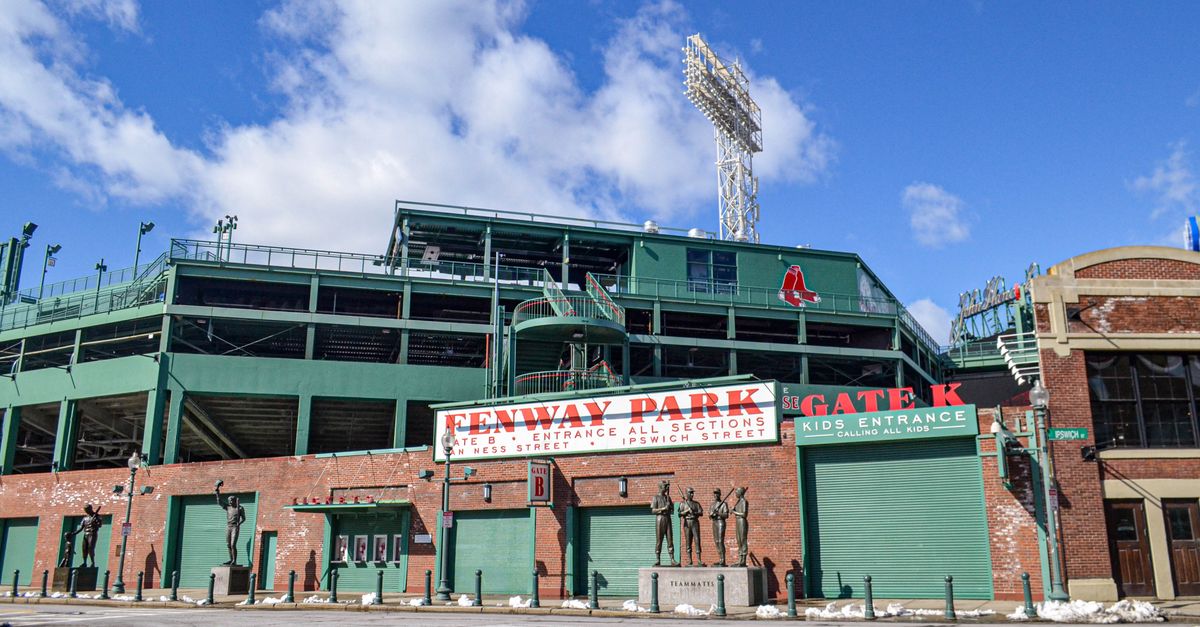
Downtown Flushing: the day-session fan’s home base. The hotel cluster around Main Street sits one 7-train stop east of the grounds, and the walk through the neighborhood to the park runs about 20 minutes. This is the closest bed to the tennis, and it comes with the best post-session move in New York, because downtown Flushing is one of the country’s great Chinese and pan-Asian food districts. Dumplings, hand-pulled noodles, food courts that will feed you brilliantly for the price of one stadium cocktail. Book here if you’re doing multiple day sessions and want to sleep late, walk over, and eat like a local every night. And book early. This is the smallest of the four markets and the one savvy tennis fans grab first. The property-by-property breakdown, including the two walkable wildcards south of the park, is on our USTA Billie Jean King National Tennis Center hotel guide.
Long Island City: the split-the-difference play. LIC’s forest of newer hotels sits at the Queens end of the 7, about 30 minutes from Mets–Willets Point with no transfer, and one or two stops from Midtown when you want a Manhattan evening. Rates typically undercut comparable Manhattan rooms. This is the pick for couples and groups splitting tennis days with tourist days. You’re on the tennis train and the Manhattan train at the same time.
Manhattan: the night-session fan’s counterintuitive win. Midtown East is the sweet spot, because Grand Central puts the 7 and the LIRR (Grand Central Madison) under the same roof. Manhattan’s enormous room base means inventory keeps surfacing even in busy weeks. And here’s the night-session logic. Ashe night sessions start at 7 p.m. and routinely run past midnight. The 7 train runs all night, and the MTA has in recent years added extra post-session 7 trains after nightly finishes; late-night LIRR service is much thinner. A Manhattan-based fan rides a full train home at 1 a.m. and steps out into a city that’s still open. That’s worth real money to some people. Decide if you’re one of them.
The LaGuardia strip: the budget floor. The airport-hotel corridor in East Elmhurst is a short rideshare from the grounds and often the cheapest real bed in the borough. The catch: no direct train. The free Q70 LaGuardia Link bus connects the airport to the 7 at Jackson Heights–Roosevelt Avenue, which works fine inbound, but you’re rideshare-dependent late at night. Fly in, sleep cheap, do day sessions. Don’t book it for night tennis.
The Airbnb/Vrbo question, answered honestly. At most venues we’d tell a group of four to price a rental against two hotel rooms. Not here. New York’s Local Law 18 bans whole-apartment short-term rentals under 30 nights; what’s legal is a registered listing with the host present and a two-guest maximum, and citywide short-term supply dropped more than 90% once enforcement started. As of September 2026 the law is still in force, enforcement is active, and only about 3,500 hosts citywide hold a valid registration. So the rental play that wins in Phoenix or Tampa simply doesn’t exist in Queens. If you’re staying 30-plus nights, the ban doesn’t apply and furnished sublets open up. Everyone else: this is a hotel market, book it like one.
Session math: when you go decides where you sleep
The Open sells two shows a day, and they reward different bases.
Day sessions are still the value play, but the cheap version of them is gone. The grounds pass, $65–$135 at face, sold only through Tuesday, September 8; while it lasted it bought a full day roaming every court except reserved-seating Ashe. From today the day session means a reserved Ashe seat, and the semifinal and final day sessions are the priciest daytime tennis of the fortnight. Day-session fans still want Queens: short ride out, long lazy morning, Flushing dinner after.
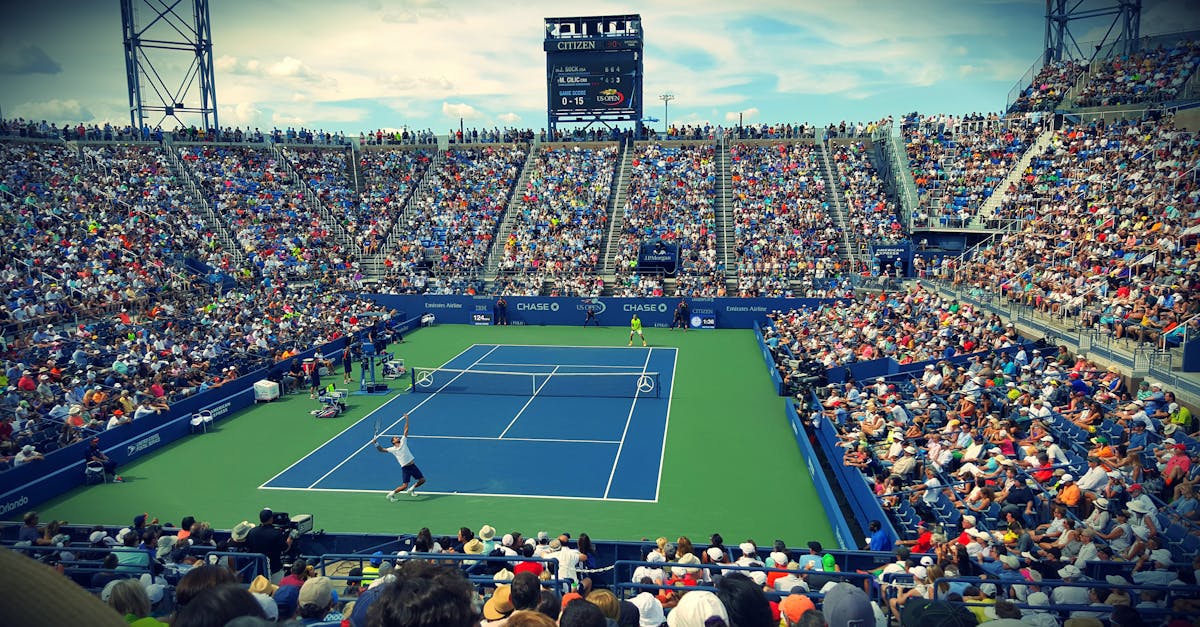
Night sessions open their gates at 6 p.m., start around 7, and finish when the tennis finishes. Past midnight is normal, not rare — Tuesday’s Alcaraz–Shelton quarterfinal ran into the small hours. That’s the whole Manhattan case in one sentence. Louis Armstrong Stadium’s separate evening sessions, historically the friendlier price for reserved night tennis, also ended September 8, so the cheap night-tennis option is gone too. Every remaining ticketed session is in Arthur Ashe.
The endgame: five Ashe sessions and one free day
Fan Week, the cheap early rounds and the grounds pass are all out of the market now. Here’s the whole remaining menu.
- Ashe or nothing, from today. Grounds passes sold through Tuesday the 8th and Armstrong’s evening sessions ended with them. Every ticket now on sale is a reserved Arthur Ashe seat: no grounds pass, no Armstrong session, no Grandstand seat for the semis or finals. If your version of the Open is wandering the field courts, it ended yesterday.
- What the last sessions cost. Checked September 9, get-in resale ran about $158 for the women’s semifinals and $396 for the men’s, roughly $320 for the women’s final and $686 for the men’s. The average get-in across all 60 sessions before play began was $283 — which tells you how much of the tournament’s whole ticket curve lives in these last four days.
- The free day: Open for All Day, Thursday, September 10. Grounds and outer courts at no charge, with men’s doubles semifinals, wheelchair tennis and juniors around the site. It needs a registered Fan Access Pass, free, about a minute at usopen.org/fanaccesspass, required for every adult 18 and over. Arthur Ashe is separate and ticketed that night for the women’s semifinals. It’s the only day left where the tennis costs nothing and the hotel is the entire budget — and now that grounds passes are done, the only day left you can walk the outer courts at all.
Don’t assume Queens quiets down now that the holiday crowd has checked out. Fashion Week’s official schedule opens Thursday the 10th and runs through both finals.
The price curve from here
This is the part generic booking pages never tell you. The last eight days aren’t priced flat, and the expensive end isn’t only about tennis.
- Tonight, Wednesday September 9, is the trough, and it’s the last one. The Labor Day travelers checked out Monday, Citi Field is dark, Fashion Week’s official schedule hasn’t opened, and quarterfinal tennis is some of the best of the fortnight. If you’re improvising a trip, this is the night. There is no cheaper one coming.
- Thursday, September 10, is the flip. New York Fashion Week runs September 10–15 — pre-shows including Ralph Lauren and Coach are already presenting Spring 2027 today — and the semifinals start the same morning, so revenue managers (the people who set hotel rates) treat the back half as compression nights: minimum-stay controls appear, discount rates get shut off, and a Wednesday-to-Saturday booking prices like two different trips in one folio.
- Finals weekend (Sep 12–13, 2026): the top of the curve, and not just because of the finals. Fashion Week sits directly over both finals, with UN General Assembly compression later in the month. You’re not bidding against tennis fans for that Saturday room; you’re bidding against the whole city’s calendar. Queens bases feel this less than Midtown does. One rail note: the LIRR’s added Port Washington trains end Friday the 11th, so both finals run on the ordinary weekend schedule.
Citi Field is across the boardwalk, and the collision is over. The Giants series that shared Labor Day weekend with round-of-16 tennis finished Sunday the 6th; how the whole citywide pileup stacked up is in our Labor Day 2026 collision guide. Since Monday the Mets have been in Miami, they are off Thursday, and they spend finals weekend at Yankee Stadium — so Citi Field stays dark from here to the men’s final. Mets–Willets Point is a tennis-only station for the rest of the tournament, and that is the quiet reason the back half of this event moves better than the front half did: no baseball crowd on your platform, none on the Grand Central Parkway, and no second event bidding for Queens rooms.
Booking strategy for this one
The Open is a known-date event, which makes it the easy case. No clinch scenarios, no bracket drama. Book a refundable rate now for your target nights (Queens inventory is small and goes first; Manhattan holds out longer), then keep re-shopping right up to arrival. For finals weekend, other travelers’ cancellation deadlines hit this week, and their rooms drop straight back into inventory when they bail. That loop is the whole refundable rate playbook, and it works better in Manhattan’s deep market than anywhere else in the city.
If your dates are truly locked (session tickets bought, finals weekend, no flexibility), that’s the rare case where a non-refundable discount can earn its keep. Otherwise pay the flexible premium and keep your exits.
Getting-in logistics, compressed. Fly into LaGuardia if you can; it’s the closest airport to the grounds by a wide margin. Travel light on session days, because the published bag policy is one bag, 12 x 12 x 16 inches max, no backpacks except single-compartment drawstrings, and there’s no bag check inside the grounds; paid storage sits outside the East and South Gates, which is a line and a fee you can skip by leaving luggage at your hotel. And never plan your trip around driving. Public parking for the Open has typically meant the Citi Field lots, and the Grand Central Parkway on a session night is where schedules go to die. The train built this tournament’s geography. Use it.
Full event strategy lives on our US Open Tennis hotel page, the property-by-property map is on the tennis center venue page, and the rest of the late-summer calendar is on the big events board. The Cincinnati Open, the last hard-court tune-up, ran August 13–23 and wrapped the day Fan Week opened in New York.
The bottom line
Day sessions on a budget: sleep in Flushing, walk over, eat downtown. Tennis plus a New York vacation: Long Island City puts you on both trains at once. Night sessions or finals weekend: Midtown East, LIRR out at 6, all-night 7 home at 1 a.m. Whatever you pick, book it refundable now, and register the Fan Access Pass if September 10 is anywhere in your plans. Queens has the fewest rooms and they go first.