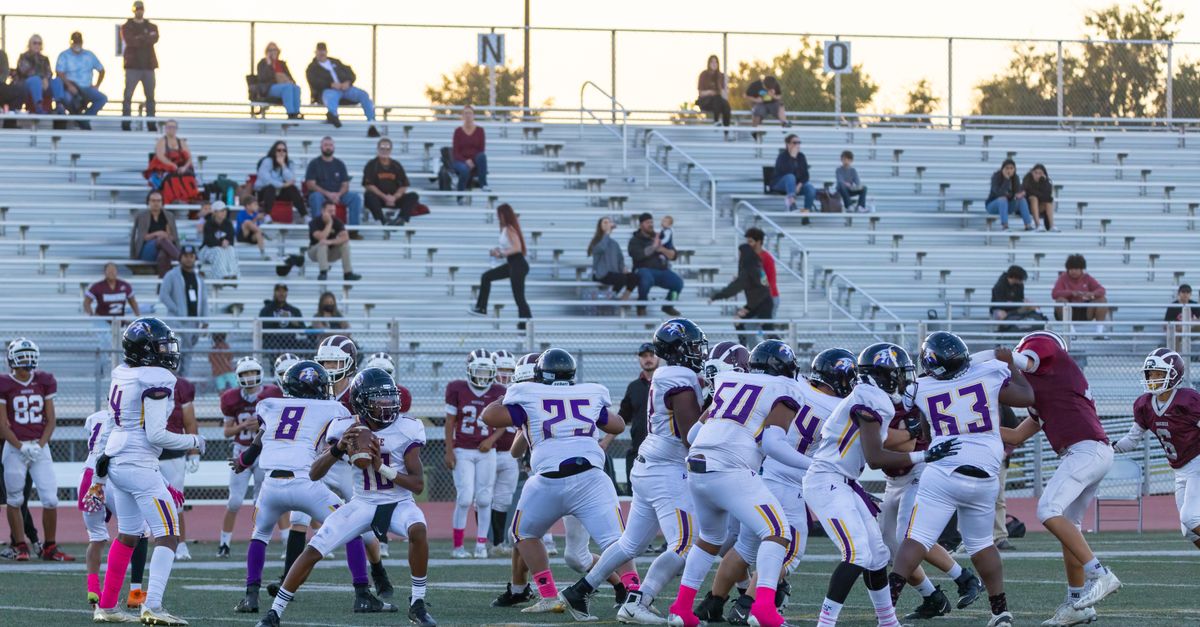
In July we told you New York hotel rates would crash the week after the World Cup final. Grade: half right. The cuts were real but landed before July 19, and the final itself gave NYC its best hotel week of the year. Here’s the full scorecard, the pattern that survives, and where to run the play next.
The call we made, and what actually happened
The original version of this page ran on July 17 and said, more or less: hotels priced this tournament for a surge that never showed, the final on July 19 is the last thing propping rates up, and the week of July 20 would be one of the great soft spots in American hotel pricing. We told you to show up and collect.
Two of those three claims aged well. The third is where it gets interesting.
The overpricing was real, and worse than we knew. The May survey we cited held up: nearly 80% of 200-plus hotels across the 11 US host cities told the American Hotel & Lodging Association that bookings were tracking below forecast, and some flat-out called the tournament a “non-event.” Reuters found Meadowlands properties asking up to $4,255 a night for the final at a Hampton Inn, with a roadside Super 8 at roughly $500. A post-tournament industry recap put a number on the whole arc: average host-city asking rates fell 44% from their 155-day-out peak (about $537) to match night (about $297), with the steepest drops crammed into the final 90 days. Hotels priced hope in December and spent the spring walking it back.
The discount was real too. It just wasn’t waiting for you on July 20. It had already been paid out, night by night, to everyone who booked late during the tournament.
And the final blew up our timing. A last-minute wave of fans showed up for the knockout rounds. CoStar’s data tells it plainly: New York City set a single-night rate record the Saturday before the final, a $610.48 average with 95.7% occupancy. On final night itself, as Spain beat Argentina at MetLife, NYC’s average rate ran 142% above the same night a year earlier. For the full week of July 19–25, the week we said would open soft, New York led every market in the country: RevPAR up 35% to $348.62, rates up 28%. Crain’s-reported figures had the late surge generating about $74 million on top of the roughly $252 million hotels had earned earlier, this after the industry had been on pace for only half its original $300 million projection a week before the final. The walk-up crowd rescued the tournament.
So did the hangover week crash? Honestly: the clean Monday-to-Saturday post-final numbers were never broken out publicly, and we won’t pretend otherwise. What is public: rate trackers projected host-city rooms would step down 30–50% from tournament peaks by early August, and that’s roughly what a reversion to normal late-July pricing looks like. Meanwhile New York never appeared on CoStar’s weekly decliner lists in early August; the market that cratered the week after (occupancy down 11.7%) was Las Vegas, for reasons that had nothing to do with soccer. NYC closed July with the largest rate and RevPAR gains of any top-25 US market.
The lesson we’re taking: there was no bubble left to pop on July 20, because revenue managers, the people who set hotel prices, had already capitulated during the tournament. The crash we predicted for the week after happened in May and June instead.
The mechanism is the part worth keeping
Strip out the World Cup and the durable pattern looks like this. Months before a mega-event, every property in a market loads peak rates onto the event dates and the halo around them. They add minimum length-of-stay controls, close out the discount rates, and wait for pickup, the pace of actual bookings coming in. When pickup lags the fantasy, they hold anyway, because nobody wants to be the first in the comp set to blink. Then the calendar forces it. The cuts come late, fast, and in public.
That shape shows up everywhere anyone has checked:
Kansas City, 2023 NFL Draft. Economist E. Frank Stephenson studied the city’s hotel data and found stays rose the night before the draft and its first two nights, then dropped below normal on the last night and the night after. He calls it the hangover effect: a mega-event doesn’t just borrow demand, it scares off the regular travelers who would have come. Net gain for the whole event: about 4,400 room-nights and $5 million, against boosters’ claims of $60 million in lodging spend.
Paris, 2024 Olympics. STR tracked record rates, up 141% year over year for the Games period, with opening night averaging €876.26. But Bloomberg found the correction had already run before the ceremony: average Games-window rates were down 41% from their €531 peak set eleven months out.
Las Vegas, Super Bowl LVIII. The market average fell from $443.84 a night a few weeks out to $288.82 by the Thursday before the game. One concrete case: a Friday-to-Monday stay at Caesars Palace listed around $7,000 in late January went for $1,923.89 two days before kickoff.
Hotels price the surge months out and price reality at the last minute. That gap is the discount. The 2026 World Cup just proved the gap now closes before the event ends, not after.
The scoreboard, updated and graded
| Event | The overshoot | The correction |
|---|---|---|
| World Cup 2026 (NY/NJ) | Meadowlands rooms asking up to $4,255 for the final; rentals near MetLife at $13K–$17K for three nights | Asking rates down 44% from 155-day peak to match night; a further 30–50% step-down from peaks tracked into early August |
| Paris Olympics 2024 | Record €876 opening night, +141% YoY (STR) | Games-window average already cut 41% from peak before the ceremony (Bloomberg) |
| Super Bowl LVIII (Vegas) | ~$444 market average weeks out; $7,000 Caesars weekend | $289 market average by game week; that Caesars stay at $1,924 two days out |
| NFL Draft 2023 (KC) | Stays up night before and first two nights | Below-normal stays the last night and the night after (the hangover effect) |
One more finding worth your attention, from the HVS post-tournament analysis: occupancy actually fell during match weeks in seven of the eleven US host markets. All the money came through rate. New York’s occupancy was essentially flat while its average rate ran $62 higher, worth roughly $339 million in incremental room revenue, nearly half the total across all host cities. Aggressive pricing didn’t fill rooms. It emptied some and charged the rest more.
And the counter-example that keeps the playbook honest: Boston hotels held rates after the tournament because Sail Boston 2026 started immediately afterward. A hangover week only exists when nothing follows the event. Check the calendar every time.
Where to run the play next
The World Cup is gone. The mechanism isn’t, and the fall calendar is full of places to use it.
Las Vegas after F1, November 22 onward. The Las Vegas Grand Prix runs November 19–21, Saturday-night race, and Vegas has already shown this year how hard it corrects when a big weekend clears out. The city’s next real compression stretch is the National Finals Rodeo, December 3–12. That leaves a gap between the checkered flag and the cowboys, and we’ve already covered how Vegas race-week pricing collapses late. Same logic, one week later.
World Series host cities, early November. Game 1 is October 23 and a Game 7 would land October 31. Whichever two cities host, their October rates will be set for compression nights and their early-November calendars will be bare. If you’ve been putting off a trip to a likely pennant city, the week after the parade is your window. Our World Series page tracks the matchup as it forms.
Las Vegas again after the CFP title game. The national championship lands at Allegiant Stadium on January 25, 2027, Vegas’s first time hosting. Late January in Vegas is already a soft season outside event weekends. We’ve mapped the whole run in the round-by-round CFP hotel guide.
Los Angeles after Super Bowl LXI. February 14, 2027, at SoFi Stadium. The week of February 15–21 in a market with LA’s inventory depth is the biggest post-event soft spot on the 2027 calendar, and our SoFi Stadium guide covers where to actually stay when you take it.
A note on rentals, because the World Cup was a lab for those too. Listings within walking distance of MetLife asked $13,000 to nearly $17,000 for the three-night final weekend, and CBS found an Essex County mansion at $38,000. Hosts don’t run revenue-management software. They anchor high early and cut slowly, which means hangover-week rental prices often stay stale after hotels have already repriced. For a group of four or more it’s still worth the comparison shop, especially in thin-hotel neighborhoods, but check the date the price was last realistic, not just the price.
The playbook, amended
- Never prepay an event-adjacent week early. Those rates get set while the halo is still in the algorithm. Every case above says the same thing.
- Hold refundable, shop late. Book a free-cancellation rate as your ceiling, then re-shop inside the final two weeks and rebook every drop. The refundable rate playbook has the mechanics.
- New rule, courtesy of this World Cup: the event dates themselves go on sale too. When pickup is publicly lagging, and in 2026 it was national news by May, the late cuts land before the event, not after it. The fans who booked final-week rooms in July paid a fraction of December’s asks.
- Shop the epicenter. The deepest corrections sit where the overbuild was worst. For the World Cup that was the Meadowlands corridor asking $4,255. For F1 it’s the Strip.
- Check what follows. Sail Boston ate Boston’s hangover. NFR shortens Vegas’s post-F1 window to about ten days. Sixty seconds on the events calendar beats a lazy assumption.
We got the direction right and the timing wrong. We’ll grade the F1 Vegas call the same way once that week’s numbers are public. Details on what the World Cup final weekend actually cost live on our World Cup final page.